
A guide for finding books that sing
These lists include both in-print and out-of-print titles: good books disappear from store shelves quickly, but libraries, used-book sellers, and persistence often still make them findable.
A bookshelf built around songs, rhythm, rhyme, and participation
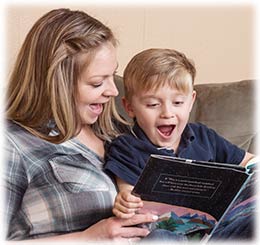
The bookshelf is one of the most practical parts of the site. It is not just a list of recommended titles. It is a guide to choosing books that children can sing with, echo, move to, and revisit at home or in group settings.
Nancy’s bookshelf also intentionally includes out-of-print titles, because families and educators can often still find them through libraries, used-book marketplaces, and local bookstores.
Baker's Dozen Playlist
Thirteen traditional songs paired with printable resources and a downloadable audio set.
Traditional Songs
Picture books children can sing immediately because the melody is already familiar.
Original Songs
Picture books built around newer songs and sing-alongs worth learning.
Song in the Story
Stories where a repeated song or refrain keeps returning, naturally inviting participation.
Books with a Beat
Rhythmic read-alouds that invite children to move, echo, clap, and join the story.
What You Should Know...
- Books that sing are interactive picture books for babies through young children. They connect a familiar song, rhythm, or pattern with words, pictures, and early literacy.
- Some follow traditional lyrics; others turn a song into a new story. Both give children a reason to join in, predict, remember, and tell the story themselves.
- Wonderful titles may be out of print. Check your public library first, then try used-book sellers or local bookstores.
Tips for Choosing...
- Start with songs children know, or look for rhyme, repetition, and a refrain they can learn quickly. Search the Song Library when you need the melody.
- Try different voices, tempos, clapping, tapping, or simple movements. Babies may enjoy the beat on the page; older children may fill in words or invent verses.
- Look for helpful extras such as a CD, website, sheet music, questions, or activity ideas. Read the whole book and let the illustrations lead the conversation.